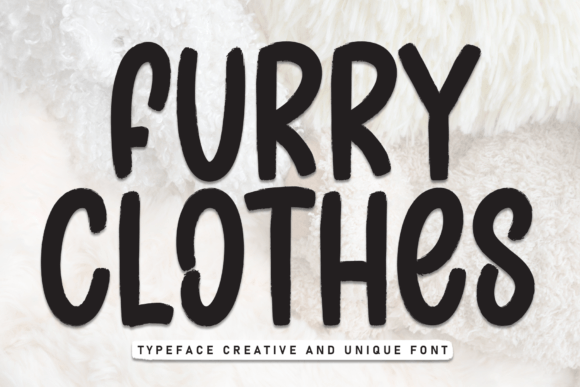
Furry Clothes Font: A Web Designer’s Review for Digital Branding
Choosing Furry Clothes for a Boutique Coaching Website
While designing a landing page for a life coaching brand, I wanted to create a warm, approachable, and emotionally engaging experience. The client’s brand voice was soft yet confident, and I needed a font that could reflect that personality in the hero section and call-to-action areas. I decided to test Furry Clothes—a playful handwritten font known for its soft, cozy feel. It immediately brought a sense of warmth and intimacy to the layout, making it a standout choice for digital brand expression.
Visual Personality and Digital Appeal
Furry Clothes is a display font with a charming, flowing script that mimics natural handwriting. Its soft curves and gentle strokes give it a friendly, approachable appearance, making it ideal for brands that want to convey warmth and creativity. As a web designer, I found that this font works best in digital spaces where emotional connection matters—like landing pages, promotional banners, and branded headers.
It’s not meant for long-form content or small interface text, but as a display font, it shines. I used it in the hero section of the coaching website, and it immediately drew attention to the headline without feeling overwhelming. The letters have a consistent rhythm and spacing that help maintain visual balance, even on smaller screens.
Using Furry Clothes in Web Layouts
I integrated Furry Clothes into several key areas of the site: the main headline, a section title for testimonials, and a decorative accent in the footer. Here’s how it performed:
- Hero Section: Perfect for the headline “Find Your Inner Calm.” It added a personal, handcrafted feel that resonated with the brand’s message.
- Testimonial Section: Used for the subheading “What Clients Say,” it gave a soft, human touch to the layout.
- Footer Accent: Placed subtly behind the brand tagline, it reinforced the brand’s tone without distracting from the main content.
The font scaled well across devices, and its legibility held up even on mobile. I made sure to pair it with a clean sans serif for body text to maintain readability and contrast.
Readability and Responsive Design Considerations
When using Furry Clothes on the web, it’s important to consider size and contrast. I found that anything below 18px started to lose clarity, especially on mobile. For best results, use this font for headings above 24px or as decorative accents in larger hero banners.
It also performed well over light background images—like a soft linen texture or a muted nature photo. However, I avoided using it over busy or dark backgrounds without a white overlay, as the fine strokes can get lost in the design. For accessibility, I always paired it with a highly readable sans serif for subheadings and body content to ensure the site met contrast and usability standards.
Font Pairing for Digital Branding
One of the most effective ways to use Furry Clothes is in combination with a clean, minimalist font. I paired it with a modern sans serif for the coaching site’s body copy and navigation, which created a nice balance between warmth and professionalism.
Here are a few pairing ideas that work well:
- Furry Clothes + Lato: Great for a modern yet personable brand.
- Furry Clothes + Merriweather: Ideal for a more editorial or story-driven layout.
- Furry Clothes + Montserrat: A strong combo for a boutique online store or creative portfolio.
These combinations keep the design grounded and ensure that the user experience remains clean and easy to navigate, even with a decorative font in the mix.
Webfont Licensing and Technical Notes
Before finalizing the design, I checked the font’s licensing and webfont availability. Furry Clothes is available in standard webfont formats (WOFF, WOFF2), which made it easy to integrate via Google Fonts or self-host. It also includes multilingual support, which is important for websites targeting international audiences.
As with any premium font, it’s essential to confirm that the license allows for commercial use and web embedding, especially when designing for clients or online stores. I recommend always downloading the font from a trusted source to ensure compatibility and legal compliance.